Different Power Washing Services

Power Washing Services

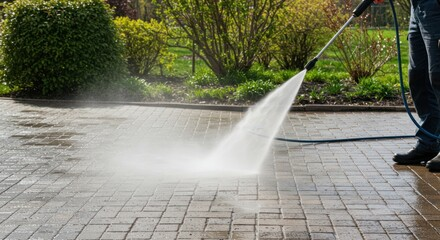
Power Washing Services uses pressurized water to clean dirt, mildew, and other contaminants from outdoor surfaces. Professional power-washing or pressure washing groups typically charge by the job or by the hour and may add a surcharge for detergents used or specialized treatments.

Regular power washing helps maintain and even increase your property value by removing stains that make it look worn or neglected. It also prevents long-term damage to your home or business and ensures better paint adhesion.

Soft Washing

While power washing has long been the go-to method for getting rid of dirt and grime, there’s another option that’s gentler on surfaces. Soft washing uses a low spray of water combined with cleaning solutions to clean brick, siding, roofs, gutters, and more. It’s also more versatile, allowing you to wash more areas of your home without worrying about damage. And it lasts—soft washed surfaces stay cleaner four to six times longer than those cleaned with traditional pressure washing methods.

Soft washing is a quick and easy way to remove mildew, mold, algae, and lichen from your house’s exterior. The chemicals used in this type of cleaning dissolve and emulsify these stains, allowing them to be rinsed away with garden hose-pressure water. The best part is that it’s safe for most surfaces—including wood, brick, stucco, vinyl, and other types of siding. However, it’s not the best choice for extremely dirty or damaged surfaces.

In addition to removing organic stains, soft washing can help prevent them from returning. The chemicals used in this cleaning technique work to kill bacteria, fungus, and other organisms that cause the growth of mold and mildew. This keeps your outdoor spaces healthier, making it a safer environment for you and your family.

Keeping your home and business clean with regular soft washing treatments can help you avoid costly repairs in the future. Dirt and grime that build up on exterior surfaces can lead to a variety of problems, including rotted wood, deteriorating shingles, and mold and mildew on your home’s siding. In addition, mold and mildew can cause illnesses when breathed in. Having your home regularly soft washed will keep it looking its best and can increase its value by up to 5%.

If you’re tired of scrubbing stubborn stains and want to save money in the long run, consider hiring a professional soft washing service. They can use a Lucid Bots cleaning drone to get into tight spaces and hard-to-reach areas that would be impossible with a traditional pressure washer. Plus, a professional can get your entire home and business looking as good as new—and protect your health in the process!

High Pressure Washing

A high-pressure cleaning machine uses a powerful spray of water that blasts away dirt, grime, mildew, mold, and other contaminants deeply embedded in outdoor surfaces like patios, driveways, and garage floors. When done by a professional, this type of deep clean restores these surfaces to their original condition and helps reduce allergens, safety hazards, and unsightly buildup.

High pressure washing can damage delicate materials and surfaces, but when performed by an experienced technician, this type of cleaning eliminates stains, dirt, and grime that linger on exterior walls, siding, roofs, and other structures. The process also refreshes and revitalizes surfaces like vinyl siding, wood fences, wood decks, and concrete patios.

The high-pressure power of these machines also makes it easier to remove stubborn stains and buildup. Tough stains caused by oil or other automotive fluids are easily removed, as are grease stains and chewing gum from sidewalks and driveways. Additionally, hot-water machines can quickly and effectively remove rust, mold, mildew, and other moss from exterior facades and buildings.

Low-pressure cleaning is a safe and effective option for delicate surface materials like vinyl siding, painted wood, and roof shingles. The lower pressure and specialized cleaning solutions prevent damage during the cleaning process and still achieve impressive results.

One common misconception is that more pressure equals better cleaning, but professional technicians know how to properly use this equipment. They carefully assess each surface and the type of buildup, adjusting PSI, nozzles, and angles as needed. They often start with a lower setting and only increase pressure where necessary to avoid damage or to ensure thorough cleaning.

In addition to minimizing potential surface damage, high-pressure washing is the preferred method for larger areas or heavily soiled surfaces. The power of the water jets makes it easier to clean and scrub large sections in less time. For extensive outdoor surface cleaning jobs, this is an efficient and economical solution. High-pressure cleaning can also be used to kill and remove weeds, grass, and moss. This type of cleaning is often recommended for commercial and residential properties to improve outdoor safety and appearance.

Power Washing

Power washing is a quick and efficient way to clean dirt, mildew, algae, mold and other contaminants from exterior surfaces. It removes stains and helps restore a surface’s original appearance. It also prevents long-term damage to the surface and extends its lifespan. Power washing can be used for a variety of residential and commercial properties.

It is often used on patio flagstones, decks and driveways to remove stains caused by oil spills or tire marks. It is also effective on outdoor furniture and siding to remove dirt, rust, and grime. Using the correct pressure and detergents is crucial to avoid causing damage.

In addition to being a cost-effective and time-efficient cleaning method, power washing is an excellent way to enhance a property’s curb appeal. Dirt, mildew, and stains can cause a property to look dirty and unappealing, which can reduce its value. By removing these substances, a property can look new again and attract more potential buyers.

Aside from improving a property’s appearance, power washing also protects the environment and the health of the people who live or work there. Mold, mildew, and algae can pose health risks to humans, and a regular power wash can help eliminate these substances and prevent them from spreading. Power washing can also be used to prepare a home or business for painting, as it removes the buildup of contaminants that may interfere with the paint’s adhesion.

Contact Mike’s Power Washing today to schedule a one-time cleaning or a scheduled maintenance plan. Mike and his crew are experienced in working on a variety of different surfaces, including storefronts, rolling gates, fences, walls, vehicles, patios and more. He is a hands-on owner who answers the phone and consults with his clients before providing an estimate. He and his team are also knowledgeable about the best cleaning solutions for specific surfaces, ensuring that they’re cleaned safely and effectively.

Roof Cleaning

A clean roof will help protect your home or business from the elements and keep it in top condition. Regular professional cleaning will also prevent the build-up of mold and mildew, which can deteriorate the material and cause damage. Mike’s Power Washing provides professional Roof Cleaning Services that are safe for all types of roof materials including shingle and tile.

The first step of a complete roof cleaning is scraping off any moss that remains on the tiles. A biocide can then be sprayed to kill any fungus or algae that may still be growing and then the tiles are washed with low pressure water.

Low-pressure cleaning uses specialized solutions and water to break down dirt, algae, moss, and lichen from your roof surface without damaging the shingles or flashing. This method is preferred for shingle roofs because it eliminates the need for high-pressure water that can strip the granules from asphalt shingles and dent metal roofs.

A specialized cleaning spray is applied with an ionic pressure washing pole (also known as a roof wand) or a hand sprayer from a ladder or the ground. The solution is then rinsed with water to leave your roof looking brand new again! The sprays used are all-natural and eco-friendly. They are also safer for vegetation than bleach-based cleaners, which can kill crepe myrtles and other sensitive shrubs. They are also manufacturer-approved to ensure your roof warranty stays intact.


Posted in Septic Tank Services | Tagged , , , , | Comments Off on Different Power Washing Services

Investing in Residential Pest Control

Pest Control Vero Beach

Maintaining a clean and healthy living environment is important for the well-being of your family. Pests like cockroaches, rodents, and ants can spread diseases, contaminate food, and trigger allergies and asthma.

Pest Control Vero Beach helps protect your home from these health risks and prevents them from damaging your property.

Preventative Measures

Pest infestations can contaminate food, spread disease, damage homes, and trigger allergies. Thankfully, there are preventative measures that can be taken to limit the risk of infestations.

Regular inspections of the outside of your home are essential to spot issues before they become full-blown problems. Look for signs of rodent activity, termite damage, or other problems that can be fixed before they get out of control.

A lot of pests enter homes through small cracks and crevices, so it’s important to seal entry points as soon as you notice them. Check for gaps around doors, windows, and the foundation and repair them as needed. Caulking cracks and re-installing weather stripping can keep unwanted insects out of your house. Pay special attention to areas around vents, chimneys, and utility pipes.

Keeping the exterior of your home and yard free of clutter is another way to prevent pest infestations. Trimming overgrown bushes, removing leaf piles, and securing garbage bins are all helpful. Also, make sure that rain gutters are functioning properly and drain water away from your foundation. Standing water is a perfect breeding ground for mosquitoes and other pests that can infest your property.

Cleaning your storage spaces regularly will also help eliminate pest hiding spots. Eliminate crumbs, wipe down surfaces, and store pantry items in sealed containers that won’t be chewed through by pests. Trash and other waste around the house can also attract pests, so take out the trash more often and clean up spills and rotting food immediately.

Hiring a professional to perform barrier treatments and bait stations is another effective preventative measure. Licensed pest control professionals have the experience, knowledge, and access to more advanced products not available to the general public. PMi offers a range of Spectracide(r) preventative treatment solutions, including our Termite Guard, Home Barrier, and One-Shot Home Insect Control, all of which can be applied per label instructions to the exterior or interior of your home to keep pests out.

While prevention is key, sometimes an infestation is inevitable. In the event of an emergency, it’s always best to call a professional for immediate and effective service.

Targeted Treatments

The most effective pest control treatments are highly specific to the target species. They include baits, traps and a range of sprays, gels and other topical applications that are aimed at preventing pests from reaching indoor spaces or coming in contact with people or pets.

Using the right application for each pest problem ensures that homeowners don’t waste time or money on an ineffective solution. For example, surface sprays can be used to kill flies in kitchen areas and other outdoor surfaces that are often touched by family members while avoiding sensitive areas like skirting boards where rodents hide.

Pest infestations can be dangerous for homes and businesses, posing health risks for residents. For example, cockroaches can release saliva, droppings and decomposing body parts into the air, triggering asthma in some individuals. Rodents can contaminate food, chomp through wires and cause fires, and carry diseases such as salmonella and hantavirus.

A comprehensive inspection, species identification and an integrated pest management (IPM) approach are the keys to preventive pest control. IPM strategies reduce the need for a range of chemical treatment methods that are bad for your lungs and environment. Instead, targeted, low-toxicity chemical applications are a last resort to protect your home and its value.

When pests invade, it’s important to act quickly. Infestations can spread and become difficult or impossible to contain, causing costly damage. For residential pest problems, quick responses include sealing entry points, cleaning up clutter and disposing of unused items to make the space unattractive to pests.

For business owners, pest problems can pose significant health and safety issues – from public health violations in restaurants to product contamination in warehouses. In addition, they can tarnish a brand reputation and lead to regulatory fines and closure.

Choosing the best pest control service provider depends on a number of factors, including licensing, certification and adherence to industry standards and IPM practices. A good service provider will offer transparent pricing, a range of treatments and services, pest proofing and exclusion techniques, and ongoing monitoring to identify and stop pest problems before they grow.

Prevention is Key

Pests like rodents, cockroaches, and bed bugs can cause serious health problems, especially for children and adults. They can spread diseases, contaminate food, and trigger allergies or asthma attacks. Some pests also cause property damage, leading to costly repair costs. Investing in residential pest control protects your home and family from these dangers, providing peace of mind.

Preventative measures are essential to successful residential pest control, and a professional can help you implement these tactics. For example, a technician can seal gaps and cracks to prevent pests from entering your house. They can also offer advice on cleaning and storing items properly to create an environment less conducive to pest infestations. Lastly, they can monitor your houseplants and lawns for signs of pests to avoid future infestations.

In addition to prevention, residential pest control companies can also provide a wide range of services for existing pests. This can include eliminating termites, carpenter ants, and bed bugs from your home or business. Additionally, they can take care of garden pests, hornets, and wasps, and they may also treat for flies, ticks, mosquitoes, and other nuisance insects.

Residential pest control services can also help businesses protect their reputations and customers by preventing health hazards caused by pests. Rodents and other pests can contaminate food and cause property damage, while some pests carry harmful bacteria that can threaten human health. In fact, a single rodent dropping can contain Salmonella, and pests like cockroaches and ants can trigger allergic reactions in people.

While pests are a nuisance at home, they can be much more of a problem in commercial spaces. They can damage your reputation, cost you money in repairs and lost sales, and even put you in violation of health codes.

In New York City, where living spaces are tight and buildings often touch each other, pests can move easily from one building to the next. They can even wreak havoc on the complex subway system, which is frequently plagued by rats and mice. Pests can also pose serious health risks in apartments and condominiums, where residents live close together.

Peace of Mind

Homeowners deserve to live in a safe, comfortable sanctuary free from unwanted pests. A recurring pest problem can disrupt sleep, tamper with cleanliness, and create fear in the minds of children and pets. It can also be financially devastating, resulting in damage to property and expensive repairs.

Fortunately, homeowners can take several steps to protect their homes from pest invasions. Regularly inspecting the home and yard can reveal pests’ entry points. Sealing cracks and crevices can make it difficult for pests to gain access. Regularly removing trash and composting can reduce the amount of debris that is attractive to pests. Regular maintenance can keep trees, shrubs, and vegetation trimmed to prevent nesting areas.

In addition to these proactive measures, residential pest control is a vital tool for protecting the health and safety of all homeowners. Effective pest protection involves more than just extermination, it includes education and prevention. A knowledgeable pest management expert can help homeowners understand the habits of common household pests and what they need to do to avoid an infestation.

Even if you do all the right things to prevent a pest invasion, some pests will still find their way into your home. In these cases, a trusted pest control company can provide swift and reliable relief. In addition, an ongoing pest control service can ensure that any problems are quickly identified and addressed so they don’t become more severe.

Finally, keeping up with regular pest prevention services can help you feel at peace in your own home. No more late-night scratching sounds or phantom crawling sensations. You’ll stop second-guessing every creak and speck. You’ll relax, knowing that your home is a place you can truly call your own.

At NY Peace of Mind Pest Control, we offer proven, thoughtful pest protection that puts your comfort first. Get in touch today to schedule a free home inspection and begin the journey toward a happier, healthier living space. We look forward to serving you! Whether you’re dealing with termites in the attic or a colony of ants near your kitchen, we can help. Our experienced pest control professionals can develop a tailored plan to eliminate your pest infestation and put your mind at ease.

Posted in Pest Control | Tagged , , , , | Comments Off on Investing in Residential Pest Control

Transforming Lives with Modern Healthcare Innovations

healthcare

Modern healthcare has evolved dramatically over the past few decades, reshaping how patients receive treatment and how medical professionals approach care. The integration of advanced technologies, patient-centered care models, and data-driven practices has created a healthcare system that is more efficient, accessible, and effective than ever before. As communities continue to prioritize health and wellness, understanding the key trends in modern healthcare is essential for both patients and providers.

One of the most significant transformations in modern healthcare is the adoption of digital health solutions. Electronic health records (EHRs) have replaced traditional paper charts, enabling healthcare providers to access patient information quickly and accurately. This seamless access improves coordination between specialists, reduces medical errors, and enhances patient safety. Beyond EHRs, telemedicine has emerged as a vital component of healthcare delivery. Virtual consultations allow patients to connect with doctors and specialists from the comfort of their homes, breaking down geographical barriers and improving access to care.

Telemedicine is particularly beneficial for individuals with chronic conditions or limited mobility. By leveraging video calls, secure messaging, and remote monitoring devices, healthcare providers can track patient progress and adjust treatments in real time. This proactive approach not only enhances patient outcomes but also reduces the burden on healthcare facilities. Telehealth is also instrumental in preventive care, enabling early intervention that can prevent serious complications and lower long-term healthcare costs.

Another cornerstone of modern healthcare is the rise of personalized medicine. Advances in genomics and biotechnology allow providers to tailor treatments based on an individual’s genetic profile, lifestyle, and specific health needs. Personalized medicine ensures that patients receive therapies most likely to be effective while minimizing the risk of adverse reactions. For example, precision medicine can guide cancer treatments by identifying genetic mutations, making therapies more targeted and effective. This shift toward individualized care represents a significant step forward in improving patient outcomes and optimizing healthcare resources.

Artificial intelligence (AI) and machine learning are also revolutionizing modern healthcare. AI-driven algorithms can analyze vast amounts of medical data to detect patterns, predict disease progression, and support clinical decision-making. For instance, AI can assist radiologists in identifying early signs of diseases in medical imaging or help clinicians prioritize patient care based on risk assessments. The integration of AI enhances diagnostic accuracy, reduces human error, and streamlines administrative tasks, freeing healthcare professionals to focus more on patient care.

Wearable technology and remote monitoring devices have further transformed patient engagement. Smartwatches, fitness trackers, and connected medical devices provide real-time data on vital signs, activity levels, and other health indicators. Patients can actively participate in their health management by tracking progress, setting goals, and sharing information with healthcare providers. This continuous feedback loop promotes healthier lifestyles and allows providers to intervene promptly when health concerns arise.

In addition to technological advancements, modern healthcare emphasizes a holistic and patient-centered approach. Healthcare providers now consider mental, emotional, and social factors alongside physical health. Integrative care models combine traditional medical treatments with therapies such as counseling, nutrition guidance, and lifestyle interventions. This comprehensive perspective addresses the root causes of health issues rather than merely treating symptoms, leading to more sustainable outcomes and improved quality of life.

Preventive care has gained unprecedented attention in modern healthcare strategies. Routine screenings, vaccinations, and wellness programs are integral to identifying health risks early and preventing chronic diseases. Public health campaigns and educational initiatives also play a crucial role in promoting healthy behaviors, encouraging individuals to adopt preventive measures that reduce the likelihood of developing serious conditions. By prioritizing prevention, healthcare systems can lower costs, reduce hospitalizations, and enhance community well-being.

Healthcare accessibility remains a priority in modern healthcare, with efforts to reduce disparities and ensure equitable care for all populations. Innovative models such as mobile clinics, community health programs, and online health resources provide care to underserved populations. Expanding access helps address social determinants of health, including economic status, education, and environmental factors, which significantly influence overall health outcomes.

Sustainability and efficiency are increasingly important in modern healthcare systems. Hospitals and clinics are adopting green practices, energy-efficient infrastructure, and eco-friendly waste management strategies. Streamlined processes and digital solutions reduce administrative burdens, improve patient flow, and enhance resource utilization. These initiatives not only benefit the environment but also improve the overall patient experience.

As healthcare continues to advance, collaboration and interdisciplinary approaches are becoming essential. Providers, researchers, policymakers, and technology developers work together to create solutions that address complex health challenges. Collaborative networks promote knowledge sharing, accelerate innovation, and enable the rapid adoption of best practices across healthcare systems.

In conclusion, modern healthcare represents a dynamic and rapidly evolving field that blends technology, personalized care, and patient empowerment. From telemedicine and AI to wearable devices and preventive strategies, the innovations shaping healthcare today focus on improving outcomes, enhancing accessibility, and fostering a holistic approach to well-being. As patients become more informed and engaged, and as providers continue to adopt advanced tools and collaborative practices, the future of healthcare promises better quality care, improved patient experiences, and healthier communities worldwide.

Posted in Uncategorized | Comments Off on Transforming Lives with Modern Healthcare Innovations

Innovative Foundation Repair Solutions That Improve Structural Safety

A strong foundation is the backbone of any structure. Whether residential or commercial, every building depends on a stable base to maintain safety, durability, and long-term performance. When foundation problems arise, they rarely stay isolated. Small cracks can evolve into structural shifts, uneven floors, sticking doors, and even compromised load-bearing walls. Left untreated, foundation damage can escalate into costly repairs and serious safety risks. That is why innovative Foundation Repair Murfreesboro TN solutions have become a critical focus within the construction and structural maintenance industry.

foundation repair

Modern foundation repair techniques have advanced significantly over the past decade. Today’s solutions are not only more efficient but also less invasive, more durable, and designed to address the root causes of structural instability. By combining engineering expertise with cutting-edge materials and technology, professionals can restore structural safety while minimizing disruption to property owners. Understanding these innovative solutions empowers homeowners and property managers to make informed decisions that protect their investment and ensure long-term structural integrity.

Understanding the Importance of Structural Safety

Structural safety begins at ground level. Foundations distribute the weight of a building evenly across the soil, preventing settlement and movement. However, several factors can compromise this balance, including soil expansion, erosion, poor drainage, seismic activity, and improper construction practices. When the soil beneath a structure shifts or weakens, the foundation may crack, sink, or become uneven.

Common warning signs of foundation problems include:

  1. Cracks in walls, floors, or ceilings.
  2. Uneven or sloping floors.
  3. Doors and windows that stick or fail to close properly.
  4. Gaps between walls and ceilings.
  5. Water intrusion in basements or crawl spaces.

Recognizing these early indicators allows property owners to address issues before they escalate. Innovative foundation repair solutions are designed not only to correct visible damage but also to stabilize the underlying soil conditions that caused the problem in the first place.

Advanced Piering Systems for Long-Term Stability

One of the most reliable and widely used innovative foundation repair solutions involves advanced piering systems. These systems are engineered to stabilize and lift settling foundations by transferring the weight of the structure to deeper, more stable soil layers.

Two commonly utilized pier systems include:

  1. Steel push piers that are driven deep into load-bearing strata.
  2. Helical piers that are screwed into the soil using specialized equipment.

Both systems are minimally invasive and provide immediate structural support. Unlike traditional excavation-based repairs, piering systems require limited disruption to landscaping and existing structures. Once installed, these piers effectively prevent further settlement by anchoring the foundation to stable ground.

Modern pier technology also includes load testing to ensure proper weight distribution. This data-driven approach enhances precision and improves long-term reliability, making piering systems a cornerstone of contemporary foundation repair.

Polyurethane Foam Injection for Soil Stabilization

Another innovative solution gaining popularity is polyurethane foam injection. This advanced technique addresses both soil instability and uneven concrete surfaces. Lightweight yet strong, expanding polyurethane foam is injected beneath slabs or foundations to fill voids, compact loose soil, and gently lift settled sections.

The benefits of polyurethane foam injection include:

  1. Rapid curing time, often allowing same-day use.
  2. Minimal excavation and surface disruption.
  3. Lightweight material that does not add excessive stress to the soil.
  4. Long-lasting moisture resistance.

This method is particularly effective for repairing sunken concrete slabs, driveways, walkways, and certain foundation types. By stabilizing the soil and restoring proper alignment, polyurethane foam injection improves structural safety without the need for large-scale demolition.

Carbon Fiber Reinforcement for Wall Stabilization

When foundation walls begin to bow or crack due to soil pressure, innovative reinforcement systems offer an efficient solution. Carbon fiber reinforcement strips are increasingly used to strengthen compromised walls without requiring full reconstruction.

Carbon fiber materials are exceptionally strong yet thin, allowing them to be applied directly to interior foundation walls. Once bonded with high-strength epoxy, these strips create a permanent reinforcement system that prevents further movement.

Advantages of carbon fiber reinforcement include:

  1. Non-invasive installation with minimal interior disruption.
  2. High tensile strength for lasting support.
  3. Corrosion resistance and durability.
  4. Cost-effectiveness compared to wall replacement.

This solution is ideal for stabilizing walls experiencing horizontal cracking or inward bowing due to hydrostatic pressure. By addressing the structural weakness early, carbon fiber systems prevent further damage and enhance overall safety.

Drainage Improvements and Waterproofing Systems

Water is one of the leading contributors to foundation damage. Poor drainage, excessive moisture, and hydrostatic pressure can weaken soil and cause structural shifting. Innovative foundation repair strategies increasingly focus on comprehensive drainage solutions to prevent recurring issues.

Modern waterproofing and drainage systems often include:

  1. Exterior drainage channels to redirect water away from the structure.
  2. Interior sump pump systems to manage groundwater.
  3. Vapor barriers in crawl spaces to control moisture levels.
  4. Foundation coatings that resist water penetration.

By combining structural repairs with moisture control strategies, professionals create long-term protection. Addressing drainage alongside foundation stabilization ensures that repairs remain effective over time and that structural safety is maintained.

Slab Jacking and Concrete Leveling Innovations

Traditional concrete leveling methods have evolved significantly. Slab jacking, also known as mudjacking, has been refined with modern materials and equipment to improve precision and durability. Today’s techniques often incorporate lightweight compounds that minimize additional soil stress.

Slab leveling restores uneven surfaces by injecting stabilizing material beneath concrete slabs. This process fills voids and raises the slab to its original position. Compared to full slab replacement, this solution is faster, more cost-effective, and environmentally responsible.

Innovations in injection equipment allow technicians to control lift levels with exceptional accuracy. The result is a level surface that enhances safety and prevents trip hazards, while preserving the structural integrity of surrounding areas.

Soil Stabilization and Ground Improvement Technologies

In some cases, foundation damage stems from expansive or weak soil conditions. Innovative soil stabilization methods address these underlying issues directly. Ground improvement technologies strengthen soil to reduce movement and increase load-bearing capacity.

Common soil stabilization techniques include:

  1. Chemical grouting to bind loose soil particles.
  2. Compaction grouting to densify unstable areas.
  3. Deep soil mixing for enhanced structural support.

These methods target the root cause of settlement rather than just repairing visible damage. By reinforcing the soil beneath a structure, professionals create a stable environment that prevents recurring foundation problems.

Smart Monitoring Systems for Preventive Maintenance

Technological advancements have introduced smart monitoring systems into foundation repair practices. Sensors installed within or around foundations can track movement, moisture levels, and structural shifts in real time.

These systems provide valuable data that allows property owners to:

  1. Detect early signs of settlement.
  2. Monitor moisture changes that could impact soil stability.
  3. Assess the effectiveness of completed repairs.

Preventive monitoring enhances structural safety by enabling proactive intervention. Instead of reacting to visible damage, property owners can address issues before they compromise structural integrity.

The Importance of Professional Assessment

While innovative foundation repair solutions offer impressive results, proper diagnosis is critical. Each foundation issue has unique contributing factors, and selecting the right repair method requires thorough evaluation. Professional assessments typically involve soil analysis, structural inspections, and load calculations.

A comprehensive evaluation ensures that the chosen solution addresses both symptoms and root causes. Attempting temporary fixes without understanding underlying conditions may lead to recurring damage and higher costs in the future.

Long-Term Benefits of Innovative Foundation Repair

Investing in modern foundation repair solutions provides long-term advantages beyond immediate structural stabilization. These benefits include:

  1. Improved property value and marketability.
  2. Enhanced safety for occupants.
  3. Reduced risk of costly structural damage.
  4. Greater energy efficiency through stabilized building envelopes.

Structural safety is not merely about correcting visible cracks; it is about restoring balance and protecting the entire building system. Innovative repair methods provide durable, efficient solutions that stand the test of time.

Innovative foundation repair solutions are transforming the way structural safety is maintained. From advanced piercing systems and polyurethane foam injection to carbon fiber reinforcement and smart monitoring technology, modern techniques offer efficient and lasting results. These solutions address both surface damage and underlying soil instability, ensuring comprehensive protection.

Foundation issues should never be ignored. Early intervention combined with cutting-edge repair strategies safeguards property value and occupant safety. By embracing innovative foundation repair technologies, property owners can confidently reinforce their structures and secure a stable foundation for years to come.

Structural safety begins below the surface. With the right expertise and advanced repair solutions, even serious foundation challenges can be resolved efficiently and effectively, preserving the strength and reliability of any building.

Posted in General Contractors | Tagged , , , , , | Comments Off on Innovative Foundation Repair Solutions That Improve Structural Safety

How to Fix Peeling Or Chipped Cabinet Paint

Cabinet painting is an intricate art that requires special knowledge to achieve a long-lasting finish. Learn the tricks professional cabinet painters use to prevent paint chipping and keep your cabinets looking like new. Investing in a high-quality paint that resists chips and wear is important for maintaining the look of your cabinets. To avoid the need for frequent touch-ups, regular maintenance is necessary.

Cabinet

Modesto Cabinet Painters can transform a room, giving it a new and fresh appearance. However, if it isn’t done properly, peeling paint can ruin the overall look and shorten its lifespan. The humid climate of Alexandria, improper application, or using the wrong type of paint can all contribute to this problem. Here are some best practices for avoiding and fixing peeling cabinet paint to ensure your beautiful new finish lasts as long as possible.

Start by cleaning the surface of the cabinet where the paint is chipping. You’ll want to remove any dust or debris and wipe the surface down with a degreaser to remove grease. Be sure to allow the area to dry completely before proceeding.

Lightly sand the areas where the paint is chipping. Ideally, you should use 320 grit sandpaper to avoid removing too much of the existing finish. Using a very light touch is key to successfully touching up chipped areas and making them blend in seamlessly with the rest of the paint.

Once the sanded area is clean, you can apply your touch up paint. It’s important that you choose a paint with a similar sheen to your cabinets to make the touch-up as seamless as possible. If you aren’t sure what sheen you need, ask the paint counter at your local hardware store for help. They can run a sample of your cabinet color through their cool Matchrite iVue machine to match the exact shade and sheen that you need.

Once you have your custom paint ready, apply a few thin coats of it to the affected areas and allow each one to dry fully before applying another. This is the trick to creating a flawless finish that won’t chip or peel in the future.

Clean the Surface

A fresh coat of cabinet paint can instantly update the appearance of a room. However, without proper care and maintenance, your new cabinets can deteriorate within months or even weeks of installation. Paint chipping is one of the most common problems that affects painted surfaces and it’s often caused by a combination of factors, including poor application, improper cleaning, or the Alexandria’s humid climate. Fortunately, there are several best practices that professional cabinet painters use to prevent paint chipping and ensure that your kitchen or bathroom cabinets remain gorgeous for years to come.

First, you need to clean the surface of your cabinet paint. The best way to do this is to use a soft cloth dampened with a degreaser or dishwashing liquid. After you’ve cleaned the surface, dry it with a clean cloth or towel. Avoid using harsh scouring powders or abrasive cleaning products; these can scratch or damage the wood.

Once the surface is clean, it’s time to sand the chipped areas. You can use a handheld sander or a power sander to accomplish this task, depending on the size of the chips and the condition of the surface. When you sand, you’ll want to focus on the damaged areas. Make sure that you use a fine-grit sandpaper (320 works well) to minimize the risk of damaging the underlying wood.

If the cabinets have been previously painted and the paint is already chipping, you can apply a bonding primer to improve adhesion before repainting. An oil-based primer is ideal, but if you choose to use an acrylic primer, choose one that is designed for cabinet and trim enamel. For example, a favorite among professional painters is Fresh Start High-Hiding All-Purpose Primer; it provides excellent hide and suppresses stains. After applying the primer, let it dry for an hour or so.

Sand the Surface

When painting over a previous coat of paint it is almost always necessary to sand the surface. This will create a smoother surface for the new paint to adhere to, and it will help the chipped areas blend in with the rest of the cabinet. You can use a hand held sanding sponge or a block sander for this task. It is important to choose a sandpaper grit that matches your existing cabinet finish. If you aren’t sure what grit your cabinet is painted with, get a sample at the paint counter and apply it to an out of the way area on your cabinet to see how it looks.

After sanding, wipe the cabinet surfaces down with a degreaser to ensure they are completely clean. You should also clean the cabinet hardware and hinges. Using a microfiber rag and warm water should be enough to remove any grease build up, but you may need to use a stronger product like TSP Heavy Duty cleaner. Make sure you follow the TSP’s instructions on how to use it and always work in a well ventilated area.

If you’re not going to re-stain the cabinets you can skip this step, but if they are stained it’s essential. If you don’t sand the cabinets before staining they will be abrasive and won’t take stains well, so you will have to repaint them. You should also sand the cabinet hinges and hardware to prepare them for reinstallation. Once the sanding and cleaning are done it’s time to start painting. The best cabinet paint is a high-quality oil-based primer, but if you are only doing touch-ups you can usually get away with just using a regular latex wall paint.

Apply Multiple Thin Coats of Paint

Cabinet painting is a great way to refresh the look of your kitchen. But when the new paint starts to chip, you need to act quickly before the problem worsens. Avoiding chipping and peeling after refinishing is all about proper preparation, using the right products, and applying thin coats. Here are some tips to keep in mind to prevent your cabinets from becoming a paint chip nightmare:

Whether you’re doing touch-ups or repainting your entire kitchen, multiple thin coats are always better than one thick coat. Thin coats allow the finish to dry more evenly, minimizing brush strokes and imperfections. They also help the finish hold up against daily wear and tear.

The type of paint you use is also important. Choose a durable, high-quality paint made specifically for cabinets or other high-traffic areas. Low-quality products may not adhere to the surface as well, leading to a less durable finish that chips and peels more easily.

Improper Surface Preparation

The surface of your cabinets must be clean and sanded before applying any paint or stain. If grease, dirt, or old varnish is still on the surface, it can cause problems with adhesion and lead to chipping and peeling over time. Skipping the sanding step or using a low-quality sandpaper can also cause problems.

Choosing the Right Primer

Apply a Sealant

A fresh coat of paint can transform your kitchen cabinets, giving the space a beautiful new look. However, the elation can turn to disappointment when the paint chips and starts to peel in just a few months. This is a common problem among homeowners, often due to moisture in the Alexandria area, poor prep work, or cheap paint. Luckily, it’s also one of the easiest fixes!

Start by carefully cleaning the cabinet surfaces to remove any grease or dust. A degreaser or a damp cloth will do the trick. Once the surface is clean, lightly sand the chipped areas to smooth them out. Use a piece of 320-grit sandpaper for this task, which will give the surface an even finish without taking off too much extra paint.

Once the sanded areas are completely dry, apply multiple thin coats of paint to the affected surfaces. Allow each coat to dry fully between applications. It’s important to apply many light layers in order to ensure that the new paint blends well with the existing layer and doesn’t look too obvious.

Finally, if you’re using a custom-tinted paint and don’t have a sample in the same sheen, do a test patch on an out-of-the-way spot of your cabinets to make sure that the touch ups will match. This step isn’t usually necessary when working with touch ups, but it’s a good idea in general to avoid sheen differences if possible.

With the right preparation and application techniques, your cabinet painting job can last a long time! Investing in high-quality paint and taking care to prepare the surface properly will help keep your cabinets looking great for longer.

Posted in Cabinet Painters | Tagged , , , , , , | Comments Off on How to Fix Peeling Or Chipped Cabinet Paint

Data Cabling and Structured Wiring for Modern Connectivity

In an era where nearly every aspect of daily life depends on digital communication, reliable connectivity is no longer a luxury—it is a necessity. Homes rely on stable internet connections for remote work, streaming, smart devices, and security systems. Businesses depend on high-speed data transfer to power cloud computing, VoIP communication, data storage, and operational software. Behind this seamless digital experience lies a carefully engineered infrastructure known as data cabling and structured wiring. While often hidden behind walls and ceilings, this network backbone plays a critical role in ensuring speed, stability, scalability, and long-term performance.

Data cabling refers to the physical cables and related hardware used to connect computers, servers, routers, switches, access points, and other network devices. Structured wiring, on the other hand, is the standardized framework that organizes these cables into a cohesive, efficient system. Instead of running random cables from point to point, structured wiring follows a strategic layout that supports both current and future connectivity needs. This organized approach reduces signal interference, simplifies maintenance, and ensures consistent performance across an entire property. Keep reading or Learn More About Us Here.

electrical services

Modern connectivity demands more bandwidth than ever before. High-definition streaming, online collaboration platforms, video conferencing, and connected security systems all place significant strain on network infrastructure. Without properly installed data cabling, users may experience slow speeds, dropped connections, and inconsistent performance. Structured wiring addresses these challenges by creating a centralized distribution system where all cables terminate in a designated panel or rack. From this central hub, network administrators or homeowners can manage connections efficiently and troubleshoot issues with minimal disruption.

One of the primary benefits of structured cabling systems is scalability. As technology evolves, properties often require additional network ports, upgraded speeds, or new device integration. A well-designed, structured wiring system accommodates expansion without requiring a complete overhaul. Instead of tearing into walls to add new cables, technicians can utilize pre-planned pathways and patch panels to extend the network. This future-ready design protects the initial investment and minimizes long-term installation costs.

Cable selection is a fundamental component of performance. Twisted-pair cables, commonly used in Ethernet networks, are categorized by performance levels such as Category 5e, Category 6, and higher specifications. Each category supports different bandwidth capacities and transmission speeds. Choosing the correct cable type depends on factors such as network size, required data transfer rates, and anticipated growth. Professional installers analyze these variables to ensure that the chosen infrastructure aligns with both present and future connectivity demands.

Fiber optic cabling is another increasingly popular solution for high-speed data transmission. Unlike traditional copper cables, fiber optics uses light signals to transmit information, enabling faster speeds and longer transmission distances with minimal signal degradation. While fiber installation may involve a higher upfront investment, it offers unmatched performance and reliability for environments with heavy data usage. Structured wiring systems can incorporate both copper and fiber cables, creating a hybrid infrastructure tailored to specific needs.

Installation precision is crucial in maintaining signal integrity. Improper cable routing, tight bends, or excessive tension can compromise performance. Structured cabling standards specify recommended bend radii, separation from electrical wiring, and secure fastening techniques. These guidelines prevent electromagnetic interference and crosstalk, which can degrade data quality. Professional installation ensures that cables are neatly organized, properly labeled, and terminated with high-quality connectors to maintain consistent throughput.

Network organization plays a significant role in operational efficiency. A structured wiring system typically includes patch panels, network switches, cable management trays, and equipment racks. This configuration centralizes control and reduces clutter. Instead of tangled wires and undocumented connections, structured wiring creates a clean, accessible layout. Technicians can quickly identify and address issues, reducing downtime and improving overall reliability.

For residential properties, structured wiring supports the growing ecosystem of smart home devices. Security cameras, smart thermostats, automated lighting, and streaming systems all depend on stable connectivity. Wireless networks offer flexibility, but they rely heavily on a strong wired backbone. Data cabling ensures that routers and access points receive uninterrupted bandwidth, strengthening wireless coverage throughout the property. Without a robust wired infrastructure, even the most advanced Wi-Fi systems may struggle to perform optimally.

Commercial environments face even greater demands. Offices require secure connections for data sharing, cloud applications, and communication platforms. Retail operations depend on reliable point-of-sale systems and inventory management networks. Healthcare facilities rely on real-time data transmission for patient records and monitoring systems. In these scenarios, network failure is not merely inconvenient—it can disrupt operations and compromise productivity. Structured cabling provides the reliability and redundancy needed to maintain continuous connectivity.

Security considerations are also central to modern data infrastructure. Poorly organized wiring can create vulnerabilities, including unauthorized access points or exposed cables susceptible to tampering. Structured wiring systems enhance security by consolidating connections within controlled access areas. Additionally, clearly labeled cables and ports simplify network audits and compliance verification. Organized infrastructure reduces the likelihood of configuration errors that could expose sensitive data.

The implementation process for data cabling and structured wiring typically follows a methodical sequence. While each project varies depending on scale and complexity, the general workflow includes:

  1. Needs Assessment and Network Design – Evaluating bandwidth requirements, device density, and future expansion plans to create a tailored infrastructure blueprint.
  2. Cable Routing and Installation – Running cables through designated pathways while adhering to performance and safety standards.
  3. Termination and Testing – Securing connectors, labeling cables, and conducting signal integrity tests to verify optimal operation.
  4. Documentation and Maintenance Planning – Creating detailed records of network layouts to support future upgrades and troubleshooting.

This structured approach ensures consistency, reliability, and long-term functionality.

Energy efficiency may not be the first factor associated with data cabling, but it plays a meaningful role. Well-organized systems improve airflow around network equipment, reducing overheating and lowering cooling demands. Efficient cable management prevents obstruction of ventilation pathways within server rooms or equipment closets. Over time, this contributes to lower energy consumption and extended equipment lifespan.

Another important consideration is compliance with industry standards. Data cabling installations are governed by recognized guidelines that dictate cable length limitations, connector specifications, and testing requirements. Adhering to these standards ensures compatibility with network equipment and prevents performance bottlenecks. Professional installers remain informed about evolving best practices, ensuring that infrastructure meets or exceeds recommended benchmarks.

Maintenance is an ongoing responsibility. Although structured wiring systems are designed for durability, periodic inspections help identify potential issues such as damaged cables or loose connections. Network testing tools can measure signal strength, detect interference, and verify bandwidth performance. Preventive maintenance minimizes unexpected outages and preserves consistent connectivity.

The long-term advantages of investing in structured wiring extend beyond immediate functionality. Property owners benefit from:

  1. Enhanced Network Performance – Stable connections and higher data transfer speeds support demanding applications.
  2. Simplified Troubleshooting – Organized cabling reduces downtime during repairs or upgrades.
  3. Improved Property Value – Modern connectivity infrastructure increases appeal to prospective buyers or tenants.
  4. Future-Proof Flexibility – Scalable systems adapt to emerging technologies without major reconstruction.

These benefits underscore why structured cabling is considered a strategic infrastructure investment rather than a mere technical upgrade.

As remote work and digital transformation continue to shape modern life, connectivity expectations will only increase. Video streaming quality will rise, data storage demands will expand, and smart technologies will become more integrated into everyday environments. A robust data cabling framework ensures that properties remain capable of supporting these advancements without frequent retrofits.

Ultimately, data cabling and structured wiring form the foundation of reliable connectivity. While wireless technology offers convenience and mobility, it depends on a stable wired core to function effectively. By prioritizing organized installation, appropriate cable selection, and adherence to industry standards, property owners can create a resilient network infrastructure capable of meeting both current demands and future growth.

Modern connectivity is not accidental; it is engineered. Structured wiring transforms a collection of devices into a cohesive, high-performing network. Whether in a residential setting or a commercial environment, investing in professional data cabling ensures that digital communication remains fast, secure, and dependable. In a world increasingly defined by information exchange, that level of reliability is not just advantageous—it is essential.

Posted in Electrical Services | Tagged , , , , , | Comments Off on Data Cabling and Structured Wiring for Modern Connectivity

The Essential Role of General Contractors in Modern Construction

General Contractors

When embarking on a construction project, whether it’s building a new home, renovating a commercial space, or adding an extension to an existing structure, one of the most critical decisions you’ll make is hiring the right General Contractor Thousand Oaks. These professionals serve as the backbone of any successful construction endeavor, orchestrating countless moving parts to transform architectural plans into tangible reality.

Understanding what general contractors do, why they’re essential, and how to work effectively with them can mean the difference between a smooth building experience and a costly nightmare.

What Does a General Contractor Actually Do?

A general contractor functions as the project manager and primary coordinator for construction work. They take responsibility for the day-to-day oversight of a construction site, managing vendors and trades, and communicating information to all involved parties throughout the course of a building project. Unlike specialized tradespeople who focus on specific aspects like electrical work or plumbing, general contractors maintain a comprehensive view of the entire project from groundbreaking to final inspection.

Their responsibilities extend far beyond simply showing up at the job site. They create detailed project schedules, obtain necessary permits and licenses, ensure compliance with building codes and regulations, manage budgets, order materials, and coordinate the various subcontractors needed to complete different phases of work. They also serve as the primary point of contact between property owners and the numerous specialists required to bring a project to completion.

The general contractor’s expertise lies not just in construction knowledge but in project management, problem-solving, and maintaining quality standards throughout the building process. They must anticipate potential issues before they arise, adapt when unexpected challenges emerge, and keep everyone working toward the common goal of completing the project on time and within budget.

The Value of Experience and Expertise

Construction projects involve countless technical details, regulatory requirements, and coordination challenges that can overwhelm even the most organized property owners. An experienced general contractor brings years of accumulated knowledge to navigate these complexities efficiently. They understand how different building systems interact, which materials work best for specific applications, and how to sequence work to maximize efficiency.

This expertise becomes particularly valuable when problems arise. Construction rarely proceeds exactly according to plan, and when issues emerge, whether from unexpected site conditions, material delays, or design complications, a seasoned general contractor knows how to pivot quickly and implement solutions. They’ve likely encountered similar challenges before and can draw on past experiences to resolve current problems with minimal impact on the project timeline and budget.

Furthermore, established general contractors have developed networks of reliable subcontractors and suppliers over years of working relationships. These connections often translate into better pricing, more reliable service, and priority scheduling when demand for skilled tradespeople is high. The general contractor’s reputation also motivates their subcontractors to perform quality work, knowing that future opportunities depend on maintaining those professional relationships.

Managing the Budget and Timeline

One of the most stressful aspects of any construction project is managing costs and keeping work on schedule. General contractors create detailed estimates that break down the projected costs for materials, labor, permits, and other expenses. While property owners might focus primarily on the bottom line, skilled contractors understand how different choices throughout the project impact both cost and quality.

A competent general contractor provides transparent pricing and helps clients understand where their money is going. They can suggest alternatives when initial plans exceed budget constraints, explaining the trade-offs between different materials, methods, or design choices. This guidance helps property owners make informed decisions that align with both their vision and financial reality.

Timeline management requires similar expertise. General contractors develop realistic schedules that account for material lead times, weather dependencies, inspection requirements, and the logical sequencing of different trades. They understand that certain tasks must be completed before others can begin and build buffer time for potential delays. When timeline pressures arise, they know which aspects of the work can be accelerated and which cannot be rushed without compromising quality or safety.

Quality Control and Code Compliance

Building codes exist to ensure structures are safe, energy-efficient, and built to last. However, these codes are complex, frequently updated, and vary by jurisdiction. General contractors maintain current knowledge of applicable building codes and ensure all work meets or exceeds these standards. They arrange for required inspections at appropriate stages of construction and address any issues inspectors identify.

Beyond code compliance, general contractors maintain quality standards throughout the project. They inspect work completed by subcontractors, verify that specified materials are actually being used, and ensure that workmanship meets industry standards. This oversight protects property owners from subpar work that might not be apparent until years after construction is complete.

When quality issues do arise, the general contractor handles the often-uncomfortable conversations with subcontractors about redoing work or making corrections. This buffer between property owners and individual tradespeople helps maintain professional relationships while ensuring standards are met. It also provides property owners with a single point of accountability rather than having to track down multiple specialists if problems emerge.

Communication and Problem-Solving

Effective communication stands among the most valuable services a general contractor provides. Construction projects involve numerous stakeholders with different priorities, technical languages, and levels of understanding about building processes. The general contractor translates between these different groups, ensuring that everyone has the information they need when they need it.

For property owners, this means receiving regular updates about progress, upcoming decisions that need to be made, and any issues requiring attention. Good contractors explain technical matters in accessible language, help clients understand their options when choices arise, and maintain realistic expectations about what can be achieved within given constraints.

The problem-solving dimension of this communication becomes critical when unexpected challenges emerge. Whether discovering that existing conditions don’t match architectural drawings, encountering supply chain disruptions, or dealing with weather delays, general contractors must quickly assess situations, develop solutions, and communicate implications to all affected parties. Their ability to remain calm under pressure and methodically work through complications often determines whether minor setbacks become major problems.

Conclusion

The decision to hire a general contractor represents an investment in expertise, efficiency, and peace of mind. While their services add to the overall project cost, the value they provide through professional project management, quality oversight, regulatory compliance, and problem-solving typically far exceeds their fees. They transform what could be an overwhelming and risky endeavor into a managed process with clear accountability and professional standards.

For anyone undertaking a significant construction project, partnering with a skilled general contractor isn’t just advisable but essential. Their comprehensive knowledge, established relationships, and dedicated project oversight allow property owners to focus on the exciting aspects of creating new spaces while trusting that the countless technical details are being handled competently. In the complex world of construction, where so many things can go wrong, having an experienced professional coordinating every aspect of the work provides invaluable assurance that your vision will become reality.

Posted in General Contractors | Tagged , , , , | Comments Off on The Essential Role of General Contractors in Modern Construction

The Critical First 48 Hours: Why Immediate Water Damage Restoration Protects Your Property and Health

Water damage rarely announces itself politely. It can arrive suddenly through burst pipes, appliance failures, roof leaks, flooding, or plumbing overflows. In a matter of minutes, water can spread across floors, seep into walls, saturate insulation, and compromise structural materials. Yet while the initial incident may last only a short time, the damage left behind can continue to worsen for days or even weeks if not properly addressed.

When it comes to Water Damage Restoration Utah timing is everything. The first 24 to 48 hours after water intrusion are critical. Acting quickly can significantly reduce structural damage, prevent mold growth, and lower overall restoration costs. Delaying response, on the other hand, often leads to secondary issues that are far more complex and expensive to fix.

water damage

In this guide, we will explore why the early stages of water damage restoration are so important, what happens during those crucial first hours, and how professional intervention can protect both your property and your health.

What Happens Immediately After Water Intrusion

Water may appear harmless at first glance, especially if it looks clean. However, once it enters a building, it begins to move rapidly through porous materials. Carpets, drywall, wood framing, insulation, and even concrete can absorb moisture quickly.

Within minutes, water spreads beyond the visible surface. It seeps under baseboards, travels along wall cavities, and pools beneath flooring. Even small leaks can migrate farther than expected, making the affected area larger than it initially appears.

In the first few hours, several damaging processes begin:

  1. Building materials start absorbing moisture and weakening
  2. Furniture and belongings may stain, swell, or warp
  3. Electrical hazards can develop if the wiring becomes wet

The longer water remains in place, the deeper it penetrates. That is why immediate water damage restoration is essential to limit the scope of destruction.

The 24-Hour Mark: Escalating Damage

Within the first 24 hours, water damage can become significantly more severe. Materials that seemed unaffected at first may begin to show signs of stress. Drywall can soften and lose structural integrity. Wood may swell, leading to warped flooring or cabinetry. Metal components can begin to corrode.

Humidity levels inside the property also rise dramatically. Elevated moisture in the air creates condensation on surfaces and increases the risk of microbial growth.

By the end of the first day, you may begin to notice:

  1. Musty odors are developing in affected areas
  2. Visible swelling or bubbling of paint and finishes
  3. Carpets feel heavy or soggy underfoot

At this stage, simple surface drying is not enough. Moisture hidden within walls and subflooring continues to spread unless specialized equipment is used to extract and dry it thoroughly.

The 48-Hour Window: Mold Growth Risk Increases

Perhaps the most urgent reason for immediate water damage restoration is the risk of mold growth. Under the right conditions—moisture, warmth, and organic material—mold can begin developing in as little as 24 to 48 hours.

Drywall paper, wood framing, carpet backing, and insulation all provide food sources for mold. Once growth begins, it can spread rapidly throughout hidden spaces, including wall cavities and HVAC systems.

Mold not only damages building materials but also affects indoor air quality. Spores can become airborne and circulate throughout the property, potentially triggering respiratory discomfort and allergic reactions.

Preventing mold is far easier and less expensive than removing it after it spreads. Prompt water extraction and thorough drying during the first 48 hours dramatically reduce this risk.

Why Professional Water Damage Restoration Is Essential

While it may be tempting to handle water cleanup independently, professional water damage restoration services provide tools and expertise that go far beyond basic drying methods.

Professionals use advanced moisture detection equipment to identify hidden water pockets that are not visible to the naked eye. Infrared cameras and moisture meters help pinpoint damp areas inside walls and beneath flooring.

The restoration process typically includes:

  1. Rapid water extraction using high-powered equipment
  2. Industrial-grade dehumidification and air movement
  3. Removal of unsalvageable materials
  4. Sanitization to reduce contamination risks

Simply placing fans in a room is rarely sufficient. Without proper extraction and dehumidification, moisture can remain trapped behind surfaces, creating ongoing structural and health concerns.

Categories of Water Damage and Why They Matter

Not all water damage is the same. The source of the water plays a critical role in determining the restoration process.

Water damage is generally categorized into three types:

  1. Clean water – from broken supply lines or appliances
  2. Gray water – from washing machines or sinks containing mild contaminants
  3. Black water – from sewage backups or flooding with harmful pathogens

The longer water sits, the more likely it is to degrade in quality. Clean water can quickly become contaminated if left untreated, especially when it contacts building materials.

Professional water damage restoration ensures that contaminated water is handled safely and that affected areas are properly disinfected to prevent health risks.

Hidden Damage: What You Don’t See Can Hurt You

One of the most dangerous aspects of water damage is what happens behind the scenes. Even after visible water is removed, moisture can remain hidden inside structural components.

Subflooring may retain water long after the carpet appears dry. Insulation can trap moisture against the wall studs. Wooden beams can slowly deteriorate over time if not fully dried.

Without proper moisture testing and monitoring, these hidden areas may remain damp for days or weeks. Over time, this can lead to structural weakening, rot, and persistent mold growth.

Professional restoration teams monitor moisture levels throughout the drying process to ensure that affected materials return to safe levels before reconstruction begins.

Protecting Structural Integrity

Water weakens many common building materials. Drywall can crumble, wooden framing can warp, and adhesives can lose their bond. Flooring materials such as laminate and engineered wood are especially vulnerable to swelling and delamination.

Immediate water damage restoration helps protect structural integrity by:

  1. Reducing prolonged exposure to moisture
  2. Removing compromised materials before deterioration spreads
  3. Stabilizing the environment with controlled drying

The faster the moisture is removed, the greater the likelihood that materials can be salvaged rather than replaced.

Health Implications of Delayed Restoration

Beyond structural concerns, untreated water damage can impact health. Damp environments create ideal conditions for mold, bacteria, and other microorganisms. Airborne spores can circulate throughout the property, affecting indoor air quality.

Individuals exposed to mold-contaminated environments may experience symptoms such as:

  1. Coughing or throat irritation
  2. Nasal congestion or sneezing
  3. Skin irritation
  4. Headaches or fatigue

Even if symptoms are mild at first, prolonged exposure can worsen indoor comfort and well-being.

Prompt water damage restoration reduces the duration of moisture exposure and limits microbial growth, helping maintain a healthier indoor environment.

Financial Benefits of Acting Quickly

Delaying water damage restoration often leads to higher repair costs. What may begin as a minor issue can escalate into widespread structural damage and mold remediation.

Early intervention helps:

  1. Minimize the amount of material that must be replaced
  2. Shorten overall restoration timelines
  3. Reduce the risk of secondary damage

In many cases, the cost difference between immediate response and delayed restoration can be substantial. Acting quickly preserves more of the original structure and reduces labor and material expenses.

The Complete Restoration Process

Effective water damage restoration involves more than drying. It is a multi-step process designed to return the property to a safe and stable condition.

The typical restoration process includes:

  1. Inspection and damage assessment
  2. Water extraction
  3. Structural drying and dehumidification
  4. Cleaning and sanitizing affected areas
  5. Repairs and reconstruction

Each step builds on the previous one to ensure that moisture is fully removed and the property is properly restored.


Prevention and Preparedness

While not all water damage incidents can be prevented, proactive measures can reduce risk. Regular plumbing inspections, appliance maintenance, and roof checks help identify potential issues before they escalate.

Property owners should also know how to shut off water supply lines in case of emergency. Quick action during the first few minutes of a leak can significantly reduce damage.

Preparedness combined with professional water damage restoration ensures that unexpected incidents are handled effectively and efficiently.


Final Thoughts: Time Is the Most Valuable Asset

Water damage restoration is not just about drying out a space—it is about protecting your investment, preserving structural integrity, and safeguarding indoor health. The first 48 hours after water intrusion are the most critical. During this window, swift action can prevent mold growth, minimize material damage, and reduce long-term repair costs.

Ignoring or delaying restoration allows moisture to spread deeper into the structure, creating hidden problems that worsen over time. By responding quickly and relying on professional water damage restoration services, property owners can contain the damage, restore safety, and regain peace of mind.

When water enters your property, every minute counts. Acting decisively during those crucial early hours makes the difference between manageable repairs and extensive reconstruction.

Posted in Water Damage | Tagged , , , , , | Comments Off on The Critical First 48 Hours: Why Immediate Water Damage Restoration Protects Your Property and Health